
Oyu Tolgoi resumes operations after seismic event
Rio Tinto announced a gradual restart on 30 October following safety reviews. The company attributes a localised rockfall to the previous day’s event.
RockGeo Editorial · Published on
Event date: 10/29/2026 · Source date: 10/30/2026, 11:00 GMT
Sources accessed on 10/30/2026, 19:59 GMT
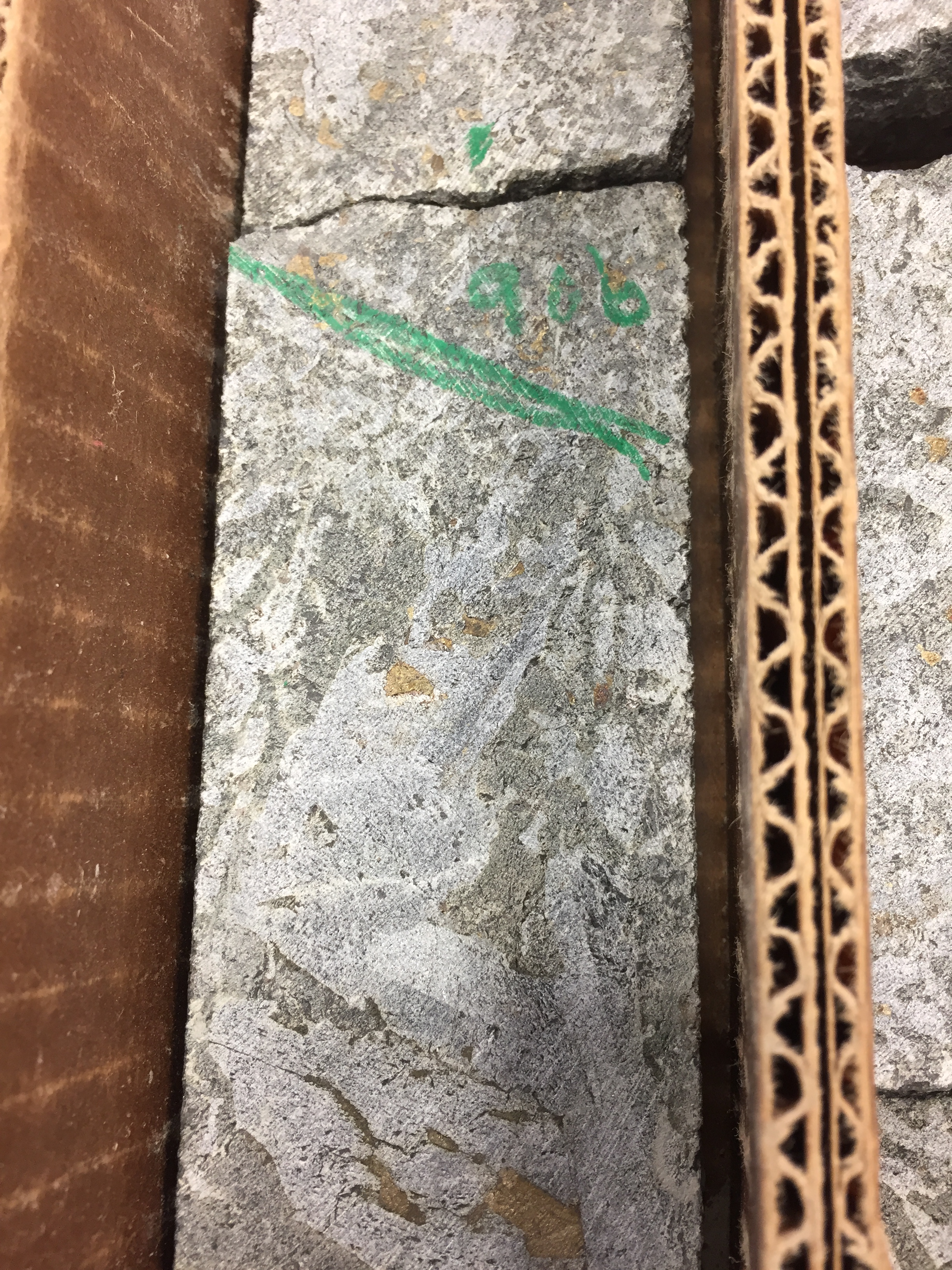
USGS / Michael Zientek · Public Domain
Rio Tinto said on 30 October 2026 that underground operations at Mongolia’s Oyu Tolgoi copper mine were being progressively restarted after safety reviews. The release, marked as issued at 11:00 GMT (UTC+00:00), describes the company’s operational position at that time; it does not say production had fully returned to normal.
According to the company, a seismic event on 29 October caused a localised rockfall in a temporary storage zone adjacent to production. Rio Tinto stated there was no structural impact to the underground cave or its operating infrastructure. Two employees remained in treatment for non-life-threatening injuries. These assessments are attributed to the operator.
Reuters also reported the restart in a story by Sameer Manekar and Rajasik Mukherjee, republished by Euronext. The agency reported three employees injured and no fatalities, citing the miner. The number still receiving treatment in the update should not be confused with the total number of injuries reported for the incident.
The report records Rio Tinto’s 66% stake and the Mongolian government’s remaining share in the project. It also notes delays at the Ganqimaodu crossing between China and Mongolia, reducing truck availability for copper concentrate transport. This is a logistical restriction distinct from the underground pause; the report does not quantify production lost because of the seismic event.
The geotechnical interest lies in distinguishing vibration, rockfall and infrastructure integrity, which describe different aspects of the incident. The consulted release provides no magnitude, depth, seismic mechanism or technical inspection report. The announced restart therefore does not establish the event’s detailed physical cause and is not an independent assessment here of mine safety.