
JD: gold tests show recoveries and limits
Gravity-leach tests at 150 µm returned 98.8–99.1% at Creek and 89.7–95.0% at Finn. These are selected samples, not demonstrated mine recovery rates.
RockGeo Editorial · Published on
Event date: 10/19/2026 · Source date: 10/19/2026
Sources accessed on 10/19/2026, 19:59 GMT
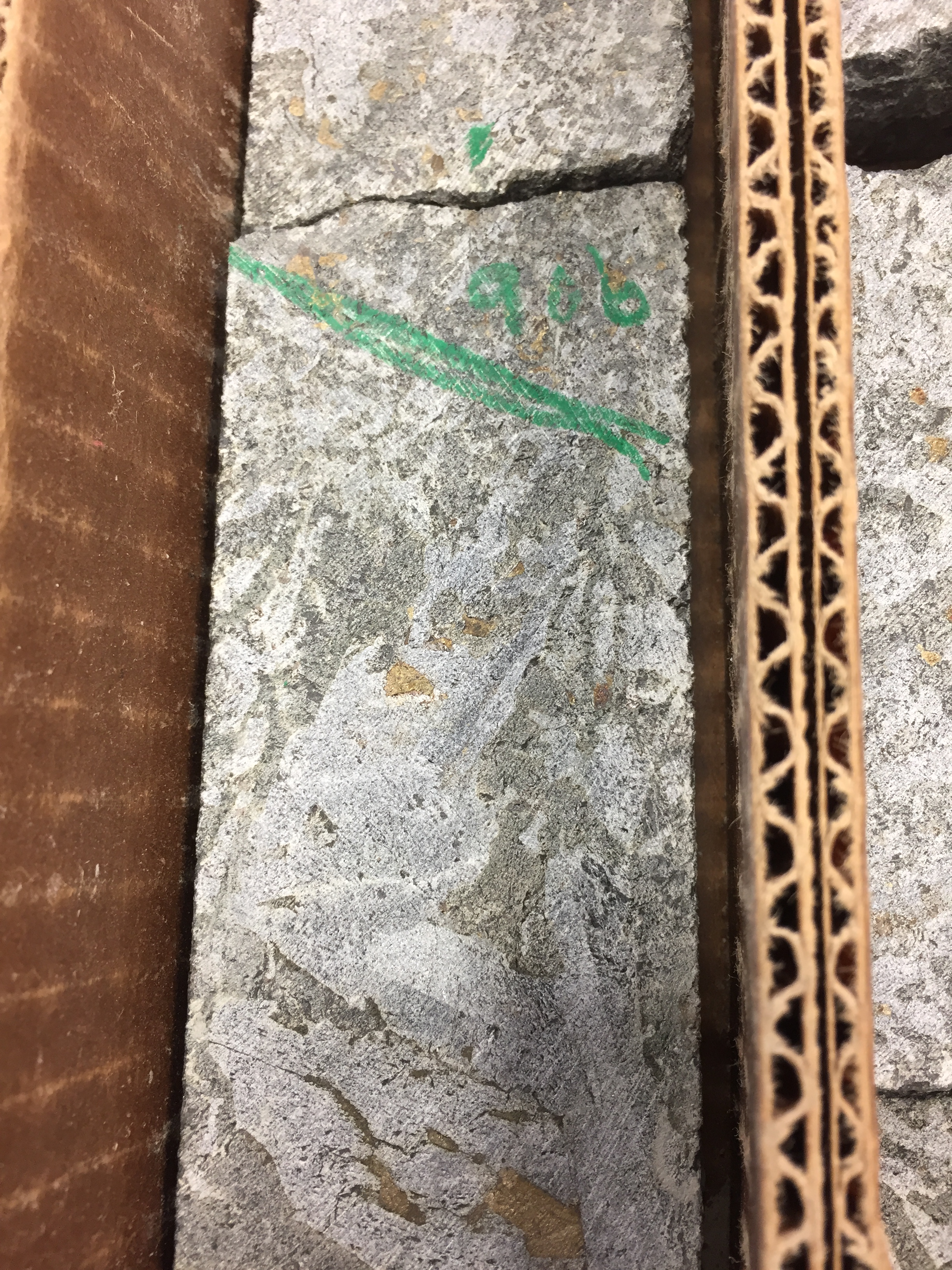
USGS / Michael Zientek · Public Domain
On October 19, 2026, Sun Summit Minerals released metallurgical results from the JD project in the Toodoggone district of British Columbia, Canada. The announcement concerns samples’ response to conventional processing routes, including gravity, flotation and cyanidation. Results help guide later studies; they do not declare commercial operation or guaranteed recovery throughout the deposit.
Table 11 of Blue Coast Research’s October 9 report details gravity followed by leaching. At a 150 µm grind, the two Creek composites returned gold recoveries of 98.8% and 99.1%; the Finn composites returned 95.0% and 89.7%. Comparisons must preserve the route and grind size: percentages from different tests are not interchangeable.
The company says material came from assay rejects from 2025 drilling. Six holes were selected, three from each zone, out of fifteen available. Selection considered gold and silver grades without a comprehensive lithological evaluation. No mineral resource estimate was available during selection; composites are described as indicative, not proof of representativeness across the deposit.
The report identifies pyrite, chalcopyrite and sphalerite as the main sulphides, with minor galena, alongside quartz, feldspar, chlorite and mica. Tests indicate coarse free gold and recommend a gravity stage in future work. The geoscientific point is the link between mineralogy and processing response: knowing the grade does not replace testing how material behaves.
Blue Coast Research cautions that it cannot assure the representativeness of supplied samples. It recommends further flotation and cyanidation tests on more samples, plus extended gravity-recoverable gold testing to model a plant scenario. The figures therefore describe the initial program and its conditions; they do not yet demonstrate industrial performance or economic viability.