
Chiricahua: from ancient volcano to rock pinnacles
A NASA report revisits the geology of Arizona’s new national park. Ancient eruptions and erosion explain its tuff towers.
RockGeo Editorial · Published on
Event date: 10/28/2026 · Source date: 10/28/2026
Sources accessed on 10/28/2026, 15:08 GMT
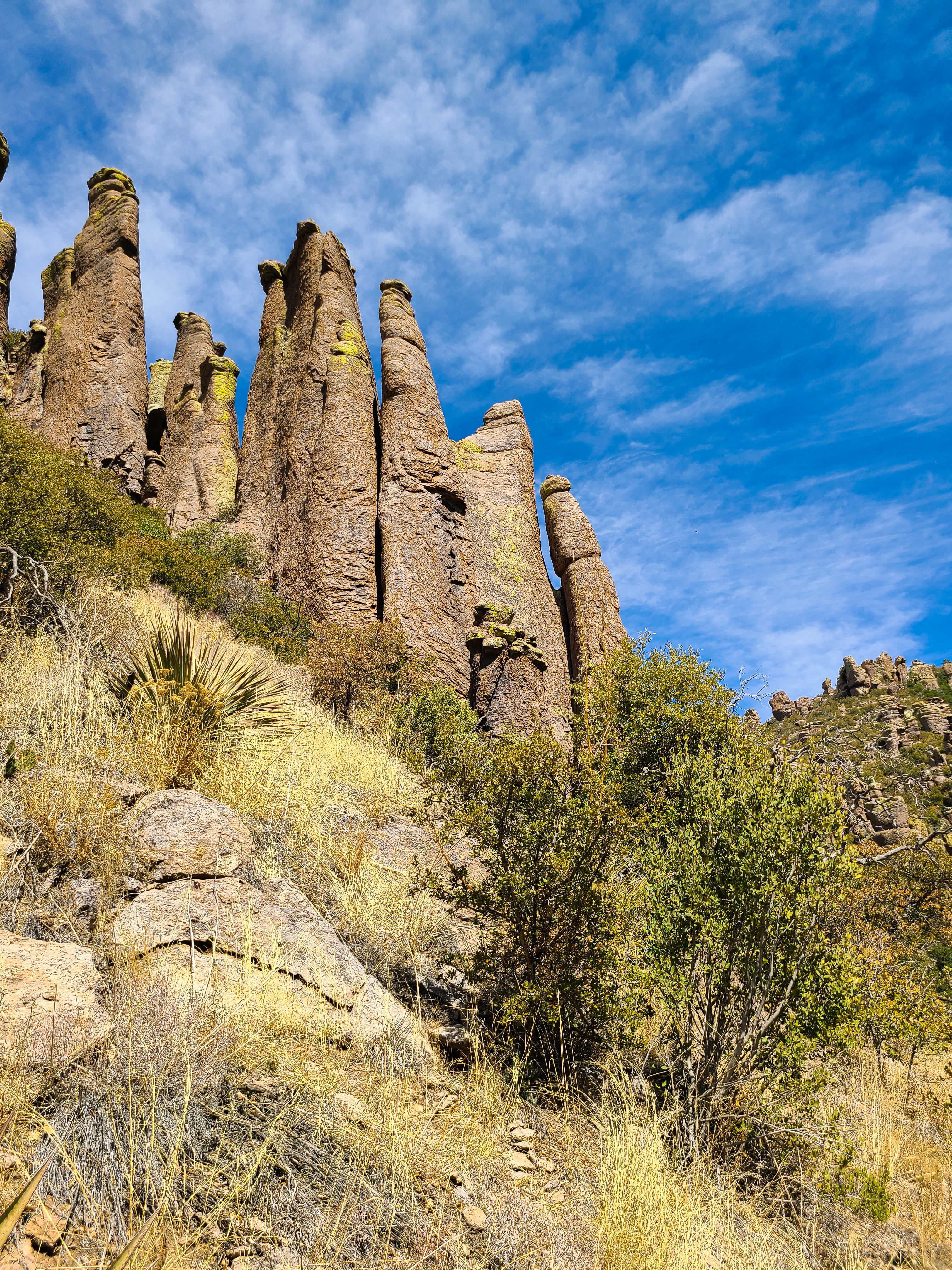
NPS / A. Rossman — No claim to original U.S. Government works · Public domain — original U.S. Government work
On 28 October 2026 NASA published Adam Voiland’s report on Chiricahua in southeastern Arizona, United States. It highlights rock pinnacles and a landscape identifiable from space. The eruptions described occurred about 27 million years ago; the publication does not report present volcanic activity.
Ash, pumice and pyroclastic flows covered the region, producing welded rhyolitic tuff deposits. In some places these reached almost 500 metres thick. Emptying of the magma chamber was accompanied by ground collapse, forming Turkey Creek caldera, approximately 19 kilometres wide. These are reconstructed dimensions of volcanic history, not measurements of a recent eruption.
The National Park Service explains that fracturing and erosion transformed the rock layer into pillars. The park also preserves faults, ancient lavas, shallow caves and other geological features. The Chiricahua Mountains form part of the Basin and Range Province and are among Arizona’s mountain islands: isolated uplands amid desert areas.
The report’s orbital image was acquired by Landsat 9 on 2 July 2026. Eroding tuff terrain appears grey, cut by greener valleys such as Rhyolite and Bonita canyons. Individual pinnacles are too small to distinguish in this view. Ground photographs, such as the Ed Riggs Trail image in this article, show another scale of the same landscape.
The area had been a national monument since 1924. An Interior Department release dated 21 October says its redesignation as Chiricahua National Park followed legislation signed on 20 October 2026. Protection covers geological heritage, biodiversity and cultural history, including the importance of these lands to the Chiricahua Apache. The new category is an administrative change; the rocks record a much older history.